
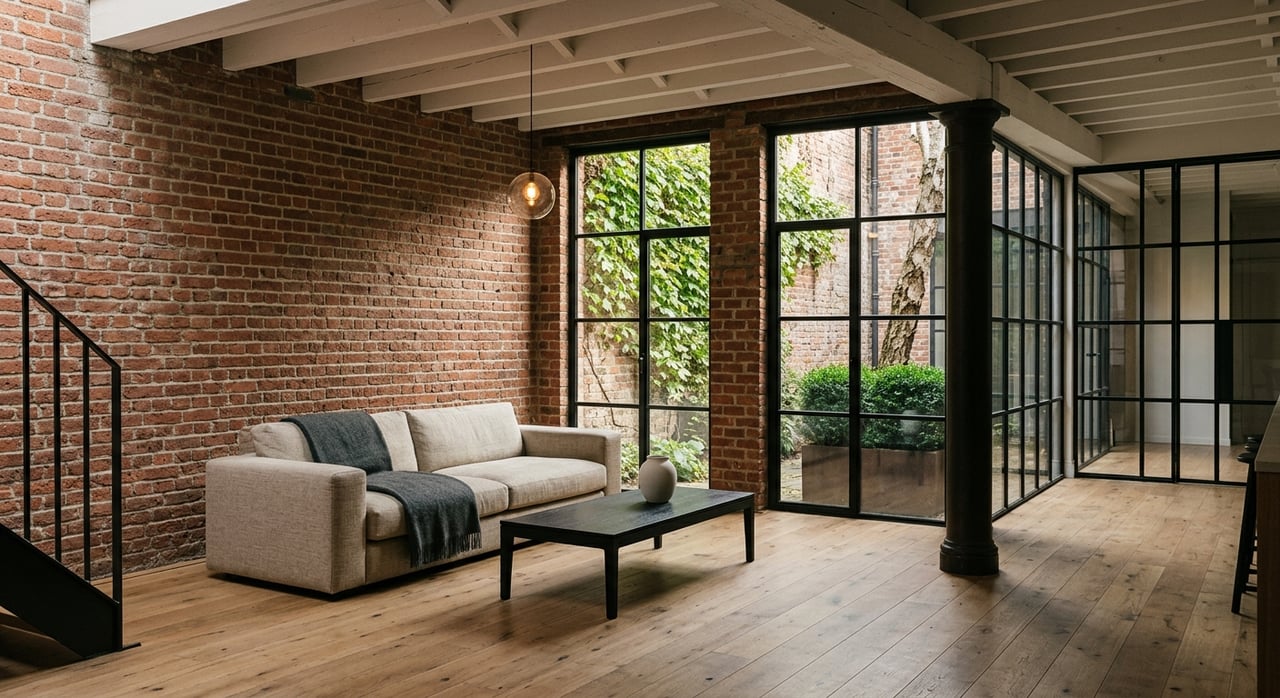
Wondering what it’s really like to live in one of Newburgh’s historic homes along the Hudson? The appeal is easy to understand. These homes offer architectural detail, a strong sense of place, and daily access to a riverfront city that continues to evolve. If you are considering buying, owning, or eventually selling a historic property here, it helps to know both the charm and the responsibilities that come with it. Let’s dive in.
Newburgh’s historic housing stock is one of its defining features. In the East End Historic District, you will find a dense urban mix of single-family homes, townhouses, rowhouses, low-rise apartment buildings, commercial blocks, industrial buildings, and accessory structures.
The city describes the East End Historic District as a 445-acre area with an intact concentration of historic buildings that reflects Newburgh’s development from the mid-18th century through the mid-1930s. That long timeline shows up in the streetscape, where building types and architectural styles create a layered, lived-in feel.
If you love period character, Newburgh gives you plenty to look at. Common architectural styles in the district include Federal, Greek Revival, Gothic Revival, Italianate, Second Empire, Queen Anne, Classical Revival, Beaux Arts, Craftsman, and American Foursquare.
Many of the rowhouses and townhouses share features that give the streets a strong visual rhythm. You may notice prominent cornices, varied rooflines, projecting bays, recessed doors, porches, raised foundations, and retaining walls. Together, these details create the kind of street presence that feels distinctly urban and historic.
What often makes a Newburgh historic home feel authentic is not one dramatic feature, but a collection of original elements working together. Original masonry, tall windows, intact cornices, porches, narrow-lot massing, and a defined edge along the sidewalk all help create that sense of character.
Living in a historic home here is not only about architecture. It is also about how the city functions day to day around those homes.
Broadway remains the historic commercial spine of Newburgh. The city’s downtown plan envisions a more pedestrian-friendly boulevard with improved walking, bicycling, and transit connections, which reflects the city’s broader effort to strengthen downtown as a mixed-use center.
The downtown core and waterfront are planned as a mixed-use environment, especially along Broadway and Liberty Street, where upper-story residential space sits above commercial ground floors. For many homeowners, that means historic housing is tied closely to everyday access to shops, dining, and local activity.
Dining is also part of the lifestyle picture. City development materials point to a waterfront restaurant row and identify food and beverage as one of downtown’s growth sectors.
One of Newburgh’s strongest lifestyle advantages is access to outdoor space and the Hudson River. The city maintains Downing Park and the Delano-Hitch Recreation Park complex, both of which add to the recreational options available nearby.
River access is part of daily life too. City facilities include the Washington Street boat launch, the Newburgh Landing Park dock, and the Ward Brothers Memorial Rowing Park.
If you want a location where historic architecture and waterfront access intersect, Newburgh offers that combination in a way that feels practical, not just scenic. The Hudson is not simply a backdrop here. It is part of how residents move through the city and spend their time.
Historic homes in Newburgh sit within a city that is still actively repositioning itself as a cultural and economic center. That matters because ownership is shaped not only by the house itself, but by the trajectory of the surrounding area.
Washington’s Headquarters State Historic Site sits within the East End Historic District, reinforcing the area’s historic identity in everyday life. The city also has an Arts & Cultural Commission charged with promoting arts and culture as part of community life.
State and city planning materials highlight a vibrant arts community along with growth in tourism, performing arts, food and beverage, hospitality, and artisan manufacturing. In early 2026, the city also announced more than $10 million in state funding for Liberty Street housing, green infrastructure, environmental resiliency, and Newburgh Landing.
The biggest trade-off with a historic home is that character often comes with review requirements. In designated historic districts, the Architectural Review Commission, or ARC, must approve exterior alterations, restoration, reconstruction, demolition, new construction, or moving a designated property before work begins.
That means if you plan to change exterior elements, timing matters. The city’s design guidelines advise property owners to bring proposals to the ARC well before buying materials or hiring services.
For many buyers, this is one of the most important things to understand before making an offer. A beautiful façade can be a major asset, but preserving it may require a more careful process than you would expect with a non-historic property.
In most cases, the focus is on the exterior, not the interior. The ARC generally does not review interior spaces unless they are open to the public or the interior features are specifically documented as part of the designation.
That distinction is helpful for owners planning updates. Interior changes may offer more flexibility, while exterior work often needs to follow district standards more closely.
The guidelines also favor repair over replacement. When replacement windows are approved, they are generally expected to match the original size and type.
Historic ownership in Newburgh is often preservation-minded in practical ways. The city’s code and guidelines emphasize traditional materials such as wood, stone, and brick, and they disfavor large areas of polished metal or aluminum siding.
Exterior insulation can also receive more scrutiny, while interior insulation is usually outside review. This is one example of how even energy-related updates may need to be approached differently in a historic setting.
In real terms, owning a historic home often means more prep time, more contractor coordination, and more attention to approvals and material choices. If you value original details, that extra effort can be worthwhile, but it should be part of your planning from the start.
One everyday difference that surprises some buyers is parking. Older infill patterns in Newburgh often avoid visible front garages, and many homes were built on narrow city lots.
As a result, parking can feel more constrained than it does in suburban housing. That does not make it a negative, but it is something to evaluate carefully based on your routine, the specific property, and how you expect to use the home.
Not every historic property in Newburgh fits the classic townhouse or detached home image. The district also includes substantial late-19th- and early-20th-century industrial buildings with open interiors and large windows.
The city’s guidelines explicitly describe these buildings as good candidates for adaptive reuse, including residential lofts. If you are drawn to a home with historic bones but a more open layout, this is an important part of the local housing story.
If you are considering a historic home in Newburgh, it helps to ask a few clear questions early in the process:
For river-adjacent homes, buyers should check the FEMA Flood Map Service Center. The city’s waterfront planning also discusses flood-hazard conditions along the Hudson shoreline, and the city continues to invest in stormwater and resiliency infrastructure.
If you own a historic home and plan to sell, presentation should focus on the features that support the property’s architectural credibility. Preserved exterior materials, solid masonry condition, original window proportions, porches, and approved historic improvements can all matter because they align with district compatibility rules.
This is where strategy becomes especially important. Historic homes often need thoughtful positioning so buyers understand not just the home’s age, but its value, condition, and the care invested in preserving it.
For sellers in Newburgh, that can mean preparing the home with intention before it reaches the market. Clear documentation, polished presentation, and a strong understanding of what makes the property authentic can help shape how buyers respond.
A historic home is rarely a one-size-fits-all listing. Buyers may love the character, but they also want clarity around maintenance, approvals, and what has been updated.
That is why thoughtful pre-listing preparation matters. When a home has distinctive architecture, period details, or renovation potential, the way it is presented can influence both price and terms.
In Newburgh, that is especially true for owners navigating estate transitions, downsizing, renovation-ready properties, or architecturally unique homes. A strategic approach helps buyers see the opportunity while keeping the story grounded in facts.
If you are preparing to sell a historic home in Newburgh, working with an agent who understands presentation, vendor coordination, and market positioning can make the process feel more organized and more effective. When you are ready to plan your next move, connect with Kathryn DeCrosta for thoughtful guidance tailored to your property and goals.

Selling is equal parts strategy and Execution - And I lead Both with precision. From positioning to negotiation, every detail is managed to deliver a refined process and a strong return.

KATHRYN DECROSTA
5031 US-9W Newburgh, NY 12550