
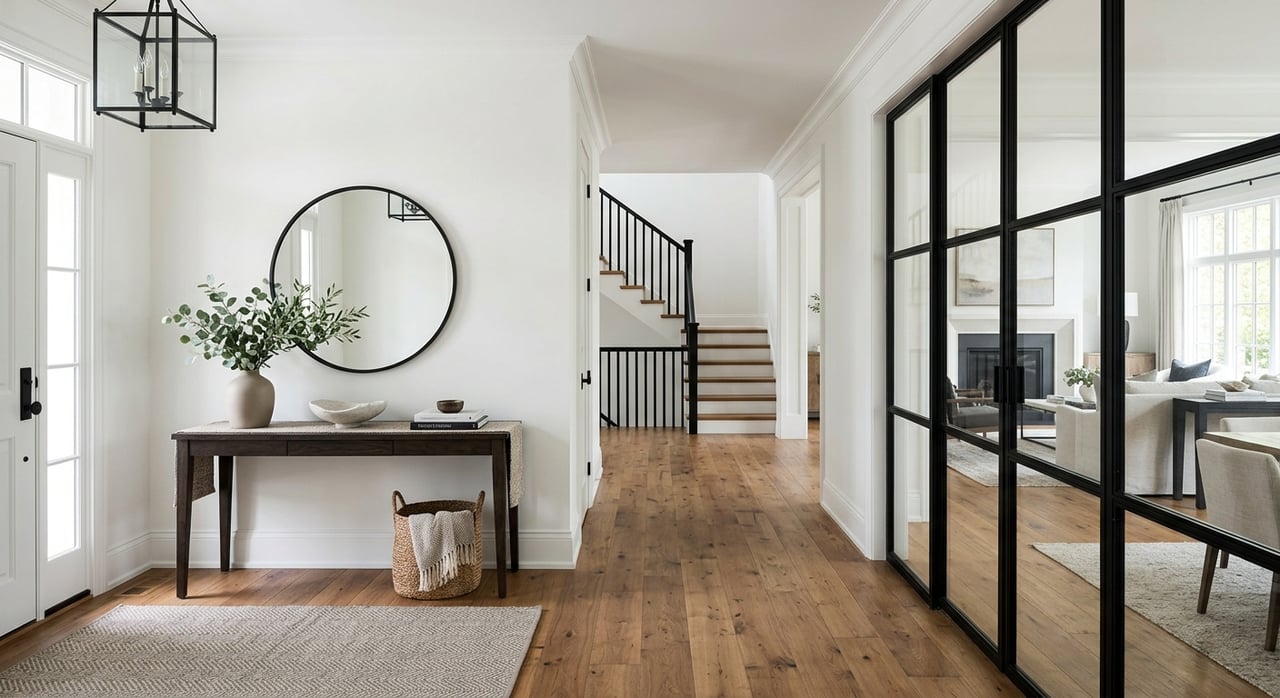
If your home looks clean, cared for, and easy to move into, buyers notice right away. In New Windsor, where buyers have options and homes are taking time to sell, the homes that feel polished and well maintained tend to stand out faster. The good news is you do not need a full renovation to make a strong impression. With the right preparation, you can focus your time and budget where it matters most. Let’s dive in.
New Windsor is a somewhat competitive market, but it is not a market where you can assume any home will sell quickly without effort. Recent local data shows homes receive about four offers on average, sell in around 73 days, and close at about 97.9% of list price. Zillow data for 12553 also shows home values rising year over year, with active inventory and new listings giving buyers choices.
That mix matters if you are selling. Buyers are still active, but they are comparing condition, presentation, and value more carefully. A home that feels move-in ready and well maintained can create more confidence from the start.
Before you think about decor, focus on anything that could raise questions during showings, inspections, or financing. Appraisals and underwriting look at overall condition, maintenance, and visible defects, so issues like leaks, water damage, broken windows, active roof problems, or missing handrails are worth addressing early.
If your budget is limited, this is where your money should go first. Buyers may overlook a dated finish, but they are less likely to feel comfortable with signs of deferred maintenance. Condition problems can also complicate a buyer’s loan approval.
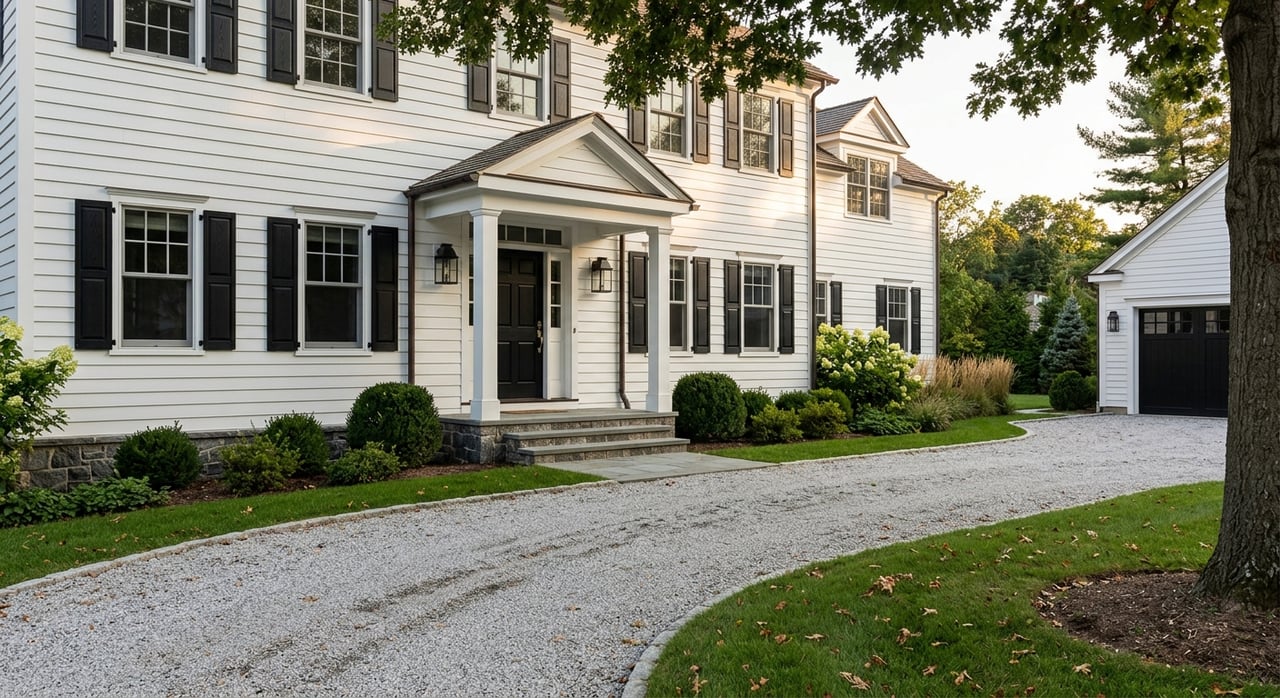
Exterior work continues to deliver some of the strongest return on investment for resale. Recent Cost vs. Value research found that many of the top-return projects are exterior replacements, with garage doors and steel entry doors leading the list. That does not mean every seller should replace major elements, but it does mean first impressions deserve real attention.
Your goal is simple. When buyers arrive, the home should feel cared for, welcoming, and easy to picture as their own.
Staging research shows buyers respond strongly when they can easily picture themselves living in a home. The rooms that typically deserve the most attention are the living room, primary bedroom, and kitchen. These spaces often shape a buyer’s overall feeling about the property.
That does not mean your house needs to look empty or formal. It means each room should feel open, balanced, and easy to understand.
The living room is often the most important room to stage. Remove extra furniture, clear personal collections, and create a layout that shows conversation space and easy traffic flow. If the room feels crowded, buyers may assume it is smaller than it is.
The primary bedroom should feel restful and spacious. Simplify the furniture, clear off dressers and nightstands, and use neutral bedding if possible. A calm, uncluttered setup helps buyers focus on the room rather than your belongings.
Keep the dining room simple and functional. If it is being used for storage, office overflow, or hobbies, return it to its intended use before listing. Buyers respond better when each room has a clear purpose.
If your kitchen is functional, a full remodel is usually not the best place to start when preparing for resale. Current Cost vs. Value findings support modest kitchen updates over major discretionary renovations when the goal is marketability. In many cases, a clean and updated look is enough.
This is good news if you want to improve presentation without taking on a huge project. Small changes can make the kitchen feel brighter and more current.
Bathrooms do not need to feel luxurious, but they should feel clean, dry, and well maintained. Buyers notice mildew, old caulk, poor ventilation, and signs of plumbing trouble quickly. Those details can make a home feel less cared for than it really is.
This is also an area where visible maintenance issues can raise appraisal or underwriting concerns. If you have leaks, staining, or recurring moisture, it is wise to deal with them before you go live.
Closets, basements, garages, and utility areas matter more than many sellers expect. Buyers open doors, look at storage, and notice whether mechanical areas are accessible and orderly. Even when systems are working well, clutter can make the home feel neglected.
These areas also come up during appraisals and inspections because accessible spaces are visually reviewed. The cleaner and more open they feel, the better.
Preparing your home for buyers is not just about how it looks. It is also about how smoothly the transaction moves once interest starts building. In New York, the current Property Condition Disclosure Statement is required beginning July 1, 2025, and it must be delivered to the buyer or the buyer’s agent before the buyer signs a binding contract.
The form covers items such as water damage, mold, roof age, radon, septic or cesspool issues, pests, and lead plumbing. Because knowingly false or incomplete statements can expose a seller to claims, it is smart to gather repair records, permit paperwork, and notes on known issues before the home hits the market.
If you plan to do pre-listing work, make sure you understand whether the project may need approval or documentation. New Windsor’s Building Department enforces state code and town zoning, and the town lists permits for work such as driveways, street openings, septic and sewer work, and water work.
That means even practical improvements can create questions later if paperwork is missing. If you are resurfacing a driveway, making grading changes, updating a deck, or touching utilities, confirm what is required before the work begins.
If your New Windsor home was built before 1978, lead-based paint disclosure rules apply before the contract is signed. Sellers must disclose known lead hazards and provide the required buyer pamphlet. That makes prep work especially important if you are scraping, sanding, or stabilizing older painted surfaces.
In these homes, quick cosmetic work should still be handled carefully. A thoughtful prep plan protects both your sale and your paperwork.
If you are wondering where to begin, use this order of operations:
This approach helps you avoid overspending while still making the home feel stronger in the market. It also supports smoother showings, cleaner feedback, and fewer surprises once you are under contract.
The strongest sale does not usually start with a price reduction or a last-minute fix. It starts before the listing goes live, with smart preparation that builds buyer confidence from the first photo through the final walkthrough. In a market like New Windsor, that level of care can make a real difference in both interest and terms.
If you want a clear plan tailored to your home, room-by-room guidance can help you focus on the updates that matter most and skip the ones that do not. For sellers who want a polished, strategic launch, that kind of preparation is often where the advantage begins.
When you are ready for a more intentional selling plan, connect with Kathryn DeCrosta for thoughtful guidance on preparation, presentation, and positioning.




Selling is equal parts strategy and Execution - And I lead Both with precision. From positioning to negotiation, every detail is managed to deliver a refined process and a strong return.

KATHRYN DECROSTA
5031 US-9W Newburgh, NY 12550