
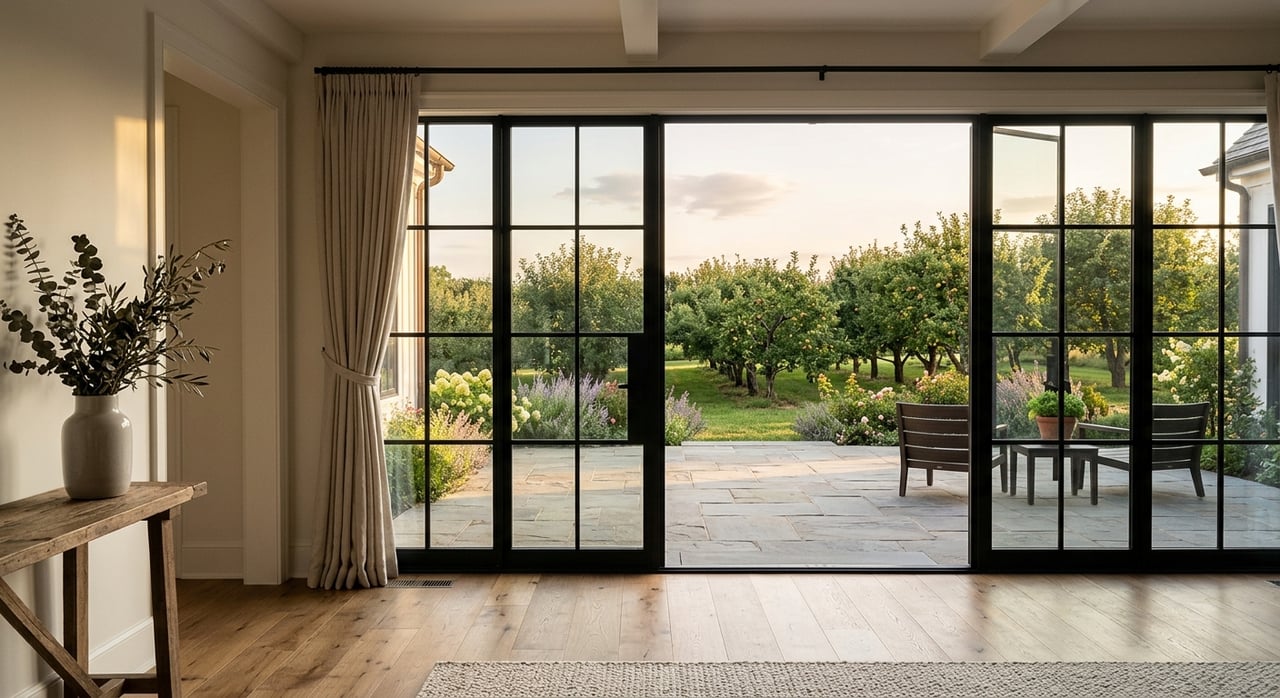
If your Marlboro home has Hudson River views, an orchard backdrop, or land that adds real lifestyle value, the way you present it can shape both interest and offers. Buyers are often forming their first impression online, and distinctive properties need more than a standard photo set and a few broad adjectives. With the right strategy, you can show what makes your property special, answer the questions buyers already have, and launch with more confidence. Let’s dive in.
Marlborough, often marketed as Marlboro in addresses and listing searches, has a strong identity tied to both the Hudson River and agriculture. The town sits on the west bank of the Hudson in southeastern Ulster County, and local planning documents describe Marlboro and Milton as historic riverfront hamlets.
That context matters when you sell. Marlborough’s official materials describe the area as a historic farming community about 70 miles north of New York City, with local character shaped by fruit and vegetable farms, vineyards, marinas, and river access.
The landscape is not just background scenery. The town’s history and planning documents note that apples, raspberries, and grapes remain important local crops, and that agriculture and history are highly valued parts of the community.
Land use also helps explain why homes here can feel different from more typical suburban listings. Marlborough’s 2017 comprehensive plan shows agriculture at 32% of total land area, residential at 37%, and vacant land at 19%, which helps explain why acreage, open views, and adjacent farmland often play a meaningful role in a property’s appeal.
When a home has a special setting, clarity beats hype. Buyers want to know exactly what they are getting, especially when they are comparing homes online before they ever step inside.
For river-facing properties, describe the view accurately. A river glimpse is different from a partial river view, and both are different from a broad panorama. It also helps to say which rooms capture the view best, such as the kitchen, primary bedroom, or main living area.
The same goes for orchard settings. If the home overlooks an active orchard, say so. If it is simply adjacent to orchard land or has seasonal orchard views, that should be stated just as clearly.
This kind of detail supports better buyer expectations from the start. It also helps attract the right audience, which is especially important when a home’s value is tied to setting, not just square footage.
Buyers are shopping online first. According to the National Association of Realtors 2024 profile, 51% of buyers found their home through online searches, and photos, detailed property information, and floor plans were especially useful during that process.
That means your listing media should do more than show isolated rooms. For a Marlboro home with river or orchard views, the visual story needs to connect the house, the land, and the outlook.
A strong presentation often includes:
This is where thoughtful preparation can make a real difference. Staging research from the National Association of Realtors shows that buyers’ agents see photos, videos, virtual tours, and physical staging as important, and about 80% say staging helps buyers visualize living in the home.
For some homes, that may mean styling a window seat toward the river, simplifying a covered porch so the orchard backdrop stands out, or rearranging furniture so the line of sight feels more natural in photos.
Season matters in Marlboro because the landscape changes the story your home tells. If your property’s appeal depends on bloom, foliage, harvest character, or greenery, timing your media correctly can strengthen the listing from day one.
Spring is often ideal if your home benefits from fresh growth, flowering trees, and softer outdoor color. New York Apple Association materials note that first apple blossoms typically appear around Mother’s Day weekend, which makes spring especially compelling for orchard-adjacent homes.
Early greenery can also work well. The town’s Marlboro Nature Trail page notes that the best times to visit are March through July, which reflects how attractive spring and early summer can be for natural scenery and outdoor photography.
Late summer and fall can be even stronger for some properties. Borchert Orchards in Marlboro lists apples from August 15 to October 25, grapes from August 25 to September 25, and strawberries beginning in late May, which shows just how seasonal the local agricultural backdrop can be.
If your home looks best during harvest season, mature foliage, or late-summer light, that should shape your launch plan. Fall also has strong local relevance, with town planning materials noting that harvest festivals and seasonal activity have long been part of the area’s rhythm.
The strongest listing copy for this type of home should reflect how Marlborough describes itself. The town’s planning documents frame it as a unique riverfront town where agriculture and history are highly valued, and that gives you a useful foundation for positioning.
That does not mean leaning on vague lifestyle language. It means connecting the property to real features buyers can understand, such as Hudson-facing outdoor space, open land, orchard adjacency, or access to riverfront amenities.
Milton Landing Park is one local example that helps illustrate the area’s river connection. The town says the park includes a fishing pier, docking pier, kayak launch site, picnic tables, grills, and benches with Hudson River views.
For the right property, nearby access to this kind of public riverfront setting can support the lifestyle story in a grounded, factual way. The key is to stay specific and avoid overstating what the home itself offers.
Acreage can be a major selling point, but only if buyers understand what the land actually offers. Instead of simply calling it spacious or private, explain how the land functions.
Useful questions to answer include:
This matters because buyers are not just buying a number on paper. They are trying to understand what that land means for daily life and future flexibility.
For sellers, this is also where polished marketing becomes more strategic. The right presentation highlights usable value without making assumptions the property cannot support.
For homes near active farmland, honest positioning is essential. If a property borders active agricultural land or sits in an agricultural district, buyers should understand that New York’s Agricultural District Law is designed to protect and promote farming, and Ulster County materials note that inclusion in a district provides legal protections for agricultural activities.
In practical terms, that means you should not market the setting in a way that suggests nearby farm activity is temporary if it is not. A better approach is to present the area accurately as part of Marlboro’s working agricultural character and encourage buyers to verify district status and understand normal farm activity.
Flood risk also deserves clear attention when relevant. If the home is near the Hudson River or on low-lying land, buyers should review FEMA flood maps and understand any insurance implications.
FEMA states that flood maps are the official tool for understanding flood risk and notes that areas with a 1% annual chance of flooding carry a one-in-four chance of flooding over a 30-year mortgage. That does not mean every river-adjacent property has the same risk profile, but it does mean the issue should be addressed thoughtfully and early.
A Marlboro home with river or orchard views is rarely a plug-and-play listing. These homes often need more intentional preparation because buyers are evaluating not just condition, but story, setting, and accuracy.
That is why seller strategy matters before the listing goes live. The room-by-room setup, timing of photography, styling choices, floor plans, aerial media, and launch sequence all help shape how buyers perceive value.
For distinctive homes, strong results are often created in advance through preparation, positioning, and presentation. When those pieces work together, your listing has a better chance of attracting serious attention and setting the right expectations from the start.
If you are preparing to sell a Marlboro home with a river view, orchard setting, or land that needs careful positioning, working with a seller-focused strategy can make the process feel far more clear and controlled. To plan your next steps, connect with Kathryn DeCrosta.




Selling is equal parts strategy and Execution - And I lead Both with precision. From positioning to negotiation, every detail is managed to deliver a refined process and a strong return.

KATHRYN DECROSTA
5031 US-9W Newburgh, NY 12550