
Trying to choose between village life and a more spacious countryside setting in Montgomery? It is a common question, especially if you want the right mix of convenience, character, and day-to-day comfort. The good news is that both options offer clear advantages depending on how you want to live or how you want to position a home for sale. Let’s break down what sets the Village of Montgomery apart from the surrounding Town of Montgomery so you can make a more confident decision.
When people compare Montgomery living, they are usually comparing the incorporated Village of Montgomery with the unincorporated parts of the Town of Montgomery outside the village limits. That distinction matters because the village and town are guided by different planning and zoning frameworks.
The Village of Montgomery is a compact historic setting along the Wallkill River. The surrounding town is much broader, covering 50.26 square miles of land area, with planning that focuses on growth outside the three villages and aims to prevent overcrowding and undue concentration of population.
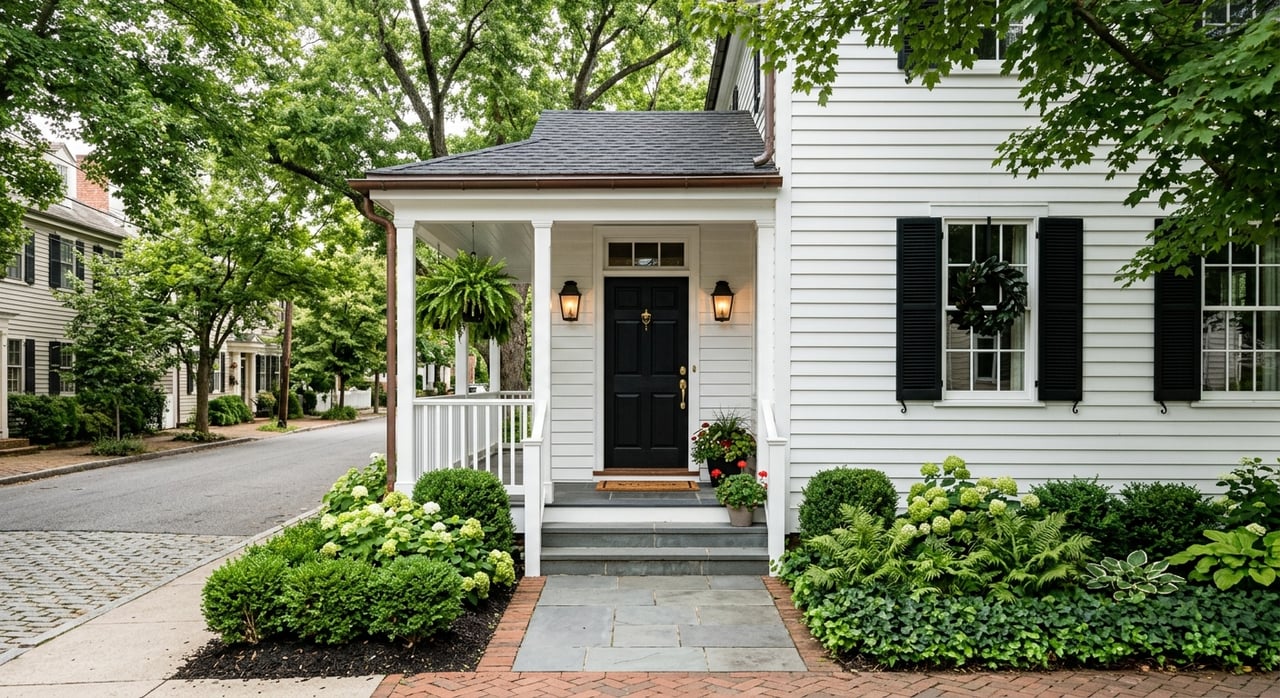
If you picture a more walkable, street-oriented setting, the village will likely feel like the better fit. The Village of Montgomery describes itself as a historic, compact place with a downtown that brings together historic buildings, businesses, and civic and cultural amenities.
That pattern shapes daily life. You may find it easier to stay close to restaurants, banks, personal-service businesses, shops, and community events without needing the kind of distance-driving that often comes with a more spread-out setting.
The village is also planning for continued reinvestment. Its NY Forward projects are aimed at adding housing options, improving connections to parks and green space, and making walkability and streetscape improvements downtown.
Outside the village limits, the Town of Montgomery offers a more dispersed pattern. In practical terms, that often means more spacing between homes, more room on site, and a routine that feels less centered on a downtown core.
The town zoning framework supports that character. Its zoning law is written to regulate growth in unincorporated areas, and the lot standards point toward larger-lot living with more flexibility for privacy, buffers, and outdoor space.
If your ideal day includes more land around you, larger setbacks, and a setting that feels more open, the surrounding town may be the better match. It is a different rhythm from village living, and for many buyers that difference is the point.
One of the clearest differences between the two settings is lot size. In the village, residential districts are compact by design, with minimum lot sizes ranging from 5,000 square feet in some districts up to 18,000 square feet in R-2.
That compact pattern supports a more traditional streetscape. Village design standards also expect new residential construction to fit the existing block pattern, face the street and sidewalk, and use traditional materials like wood, stone, or brick.
In the surrounding town, the zoning framework allows for much larger residential lot patterns. The code references lot sizes that include half-acre, three-eighths-acre, five-eighths-acre, three-quarter-acre, full-acre, and two-acre standards in residence and agriculture districts.
Where central water and sewer are unavailable, the town also requires 20,000 to 30,000 square feet per dwelling unit. Some agricultural and farm-related uses require even more land, including 3-acre minimums and 10-acre minimums for certain uses.
The Village of Montgomery offers a strong sense of historic character. According to the village history resources, the housing stock includes Federal, Greek Revival, Gothic Revival, Italianate, Colonial Revival, Craftsman, and postwar ranch-style homes, along with some multifamily housing added as the village grew.
That variety can appeal to buyers who want charm, period details, or a home that feels connected to the village’s history. It also means sellers in the village often benefit from presenting a home in a way that highlights character and how it fits into the streetscape.
In the surrounding town, the appeal is often less about a compact historic block and more about the site itself. Depending on the parcel and zoning context, buyers may be drawn to a larger yard, more distance from neighbors, or the flexibility that can come with a less tightly built environment.
Your daily routine may be the biggest factor in deciding which area suits you. In the village, everyday life is closely tied to the downtown business district, where the village highlights restaurants, banks, personal-service businesses, shops, and local events like Montgomery Day, Taste of Montgomery, the Tractor Parade, the summer concert series, and St. Pat’s Ramble.
For outdoor time close to home, the village’s Veterans Memorial Park includes pickleball, basketball, volleyball, tennis, baseball fields, a playground, two dog park areas, a dog wash station, and paved trails along the Wallkill River for walking and biking.
In the surrounding town, recreation tends to be more destination-based and space-oriented. Riverfront Park offers a beachfront area, fishing, and walking trails, while Benedict Farm Park is a 102-acre town property with a playground and parking area.
Neither approach is better across the board. It simply depends on whether you want amenities woven into a compact setting or a routine built around driving to larger open spaces.
If school district boundaries matter to your search, one key name to know is Valley Central School District. The district says it is situated mainly in the Town of Montgomery and its three villages and serves almost 4,190 students.
That does not mean every address will align the same way, so buyers should still confirm the specific assignment for any home they are considering. Still, it is a useful starting point when comparing village and town locations in the wider Montgomery area.
If you are buying, start with your day-to-day priorities rather than just the house itself. A home can be beautiful on paper and still feel wrong if the surrounding setting does not match how you want to live.
The village may be the right fit if you want:
The surrounding town may be the right fit if you want:
If you are selling in Montgomery, the village-versus-countryside distinction should shape how your home is presented. Buyers are not only choosing a house. They are choosing a lifestyle pattern.
For village homes, the strongest positioning often starts with walkability, historic character, access to parks, and proximity to shops and events. Those details help tell the story of why the setting matters.
For town and countryside homes, the emphasis shifts. Lot size, privacy, spacing, outdoor usability, and the overall feel of the land often become the leading points.
This is where thoughtful preparation matters. The same square footage can land very differently with buyers depending on whether the property sits in a compact historic setting or on a larger parcel outside the village core.
Both the village and the surrounding town are being shaped by active planning decisions. In the village, NY Forward projects are aimed at improving downtown housing options, walkability, and park connectivity.
Outside the villages, the town continues to use its 2021 comprehensive plan and 2022 zoning map to guide growth. For buyers, that makes location context especially important. For sellers, it reinforces why strong positioning should include not just the house, but also the setting and how it functions for the next owner.
Whether you are weighing a move into Montgomery or preparing to sell there, the right strategy starts with understanding how the village and the surrounding town truly differ. If you want clear, thoughtful guidance on how to position a Montgomery property for today’s market, connect with Kathryn DeCrosta.
Selling is equal parts strategy and Execution - And I lead Both with precision. From positioning to negotiation, every detail is managed to deliver a refined process and a strong return.

KATHRYN DECROSTA
5031 US-9W Newburgh, NY 12550